For the latest service status, please check the official LINE account.
最新の運航状況は最新運航情報(LINE)でご確認ください。
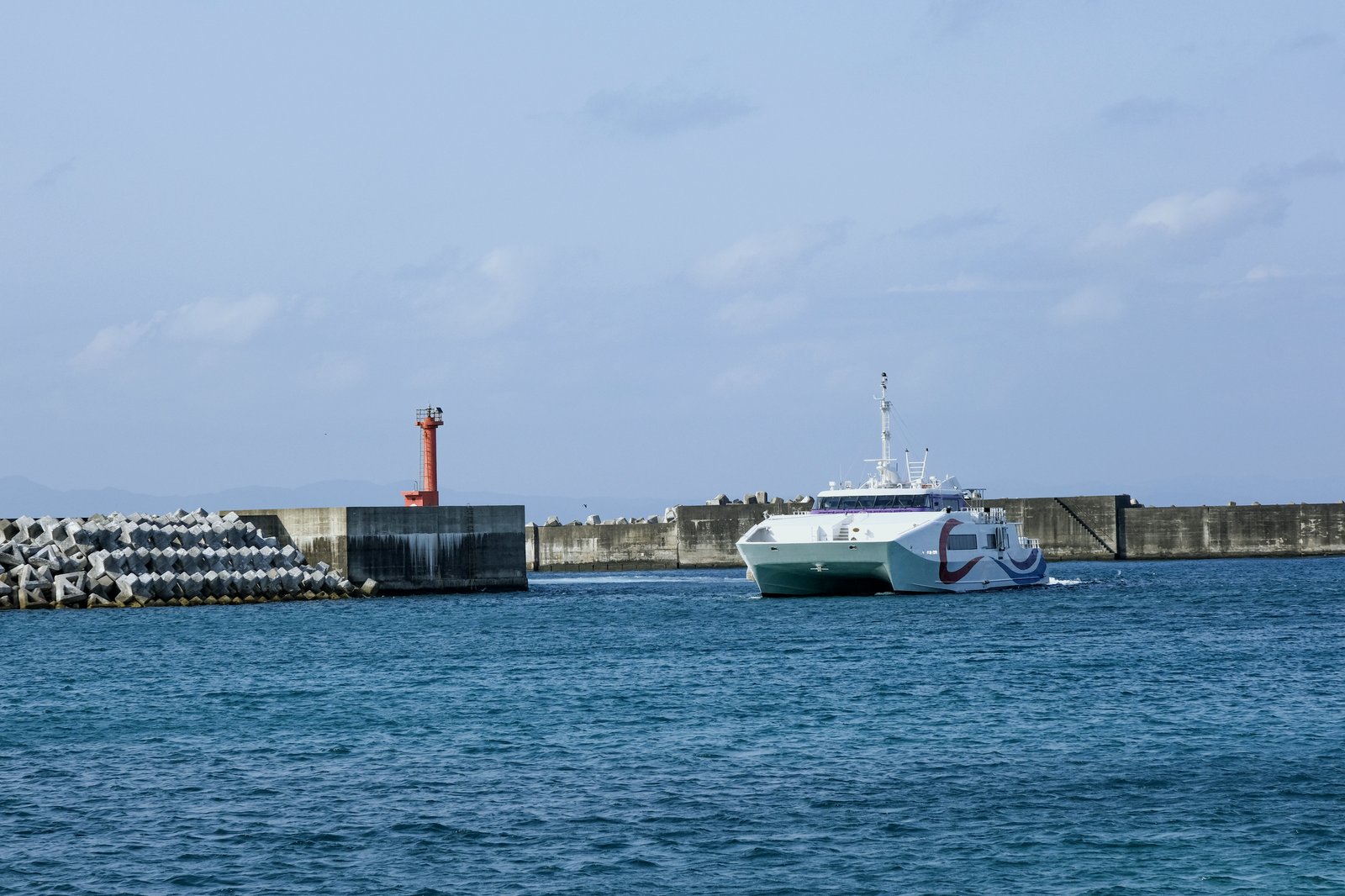
The Kumejima Ocean Jet invests approximately ¥166 million annually in whale safety measures to coexist with humpback whales in Okinawa waters. Five key measures: route modifications, dedicated lookout vessels, speed reduction zones, crew training programs, and data-driven route optimization.
Why Whale Safety Matters

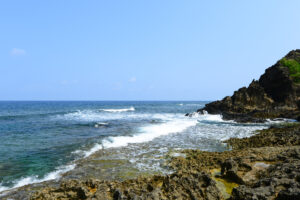
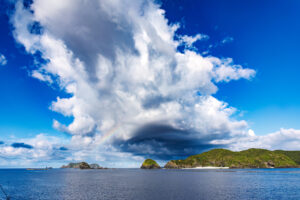
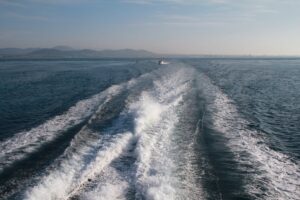
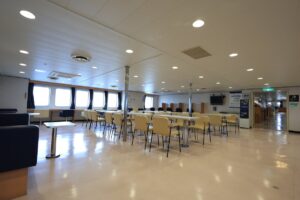
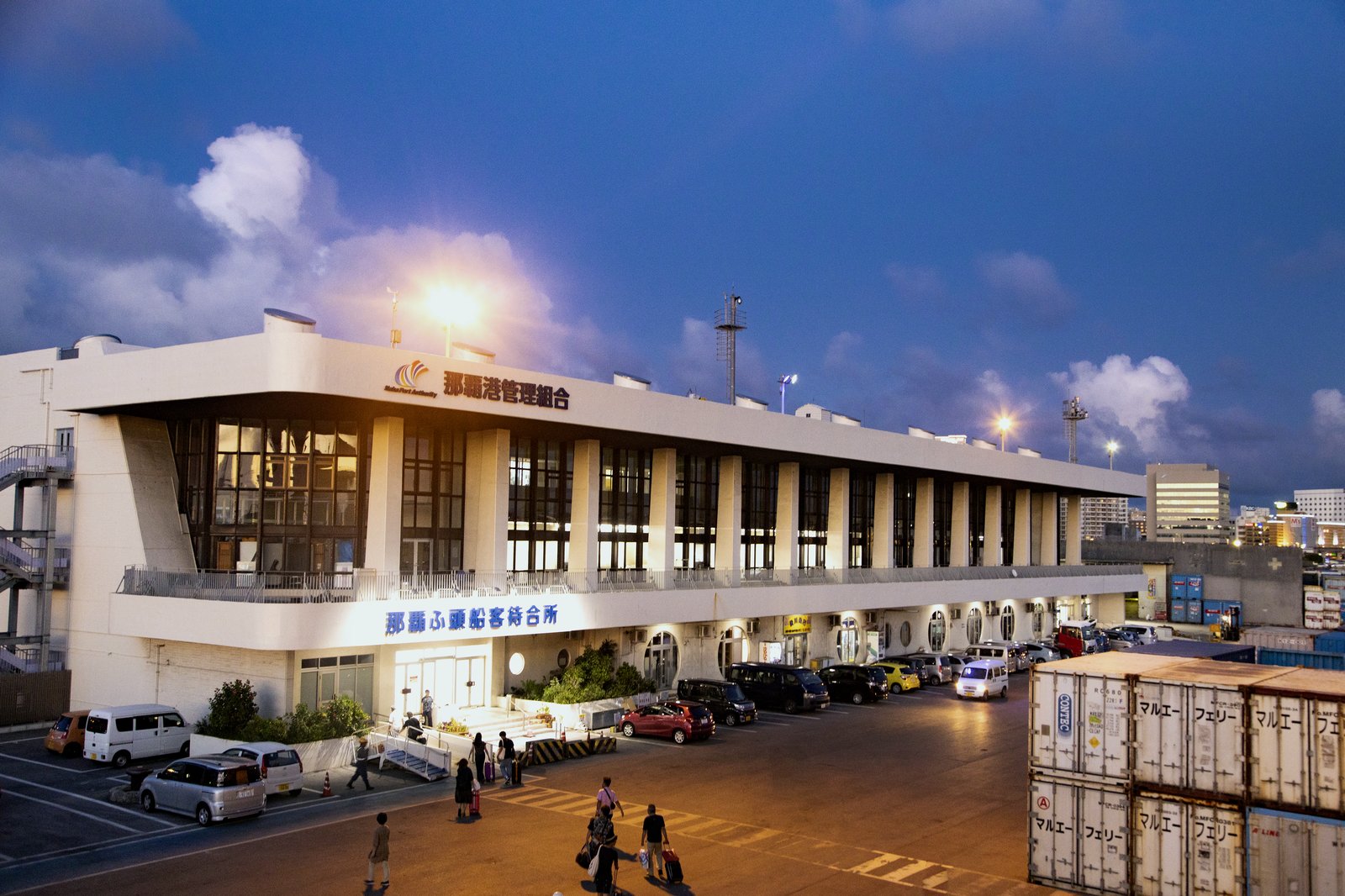
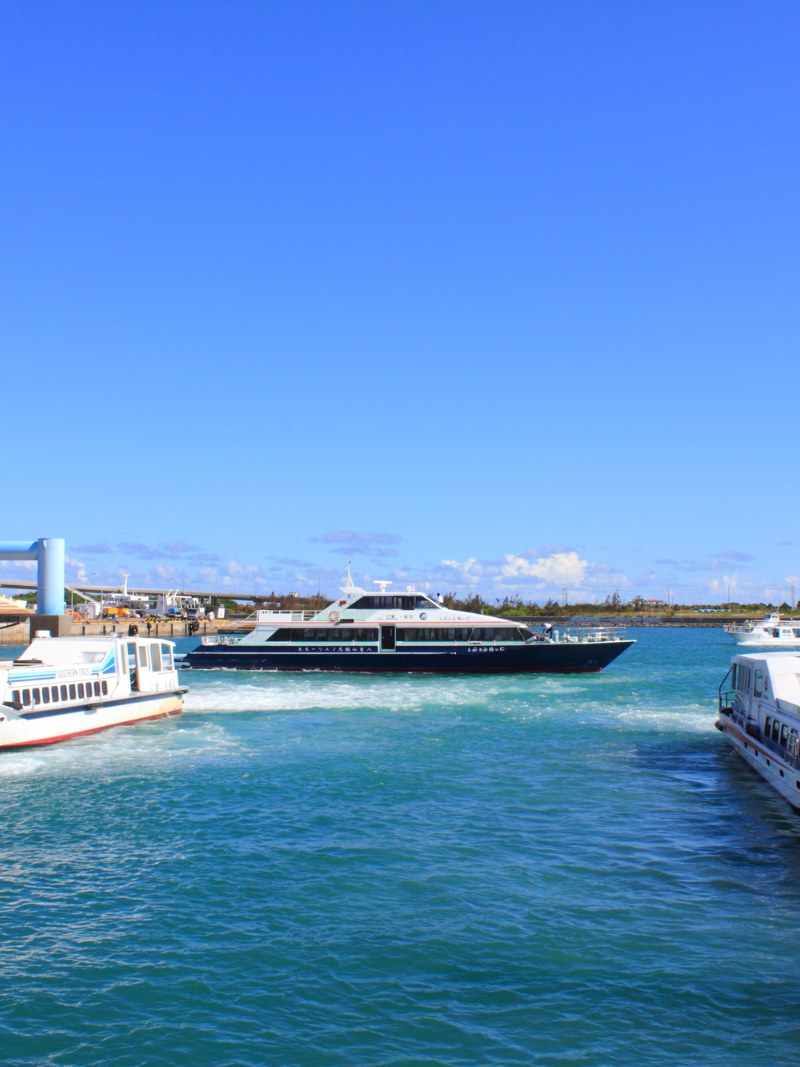
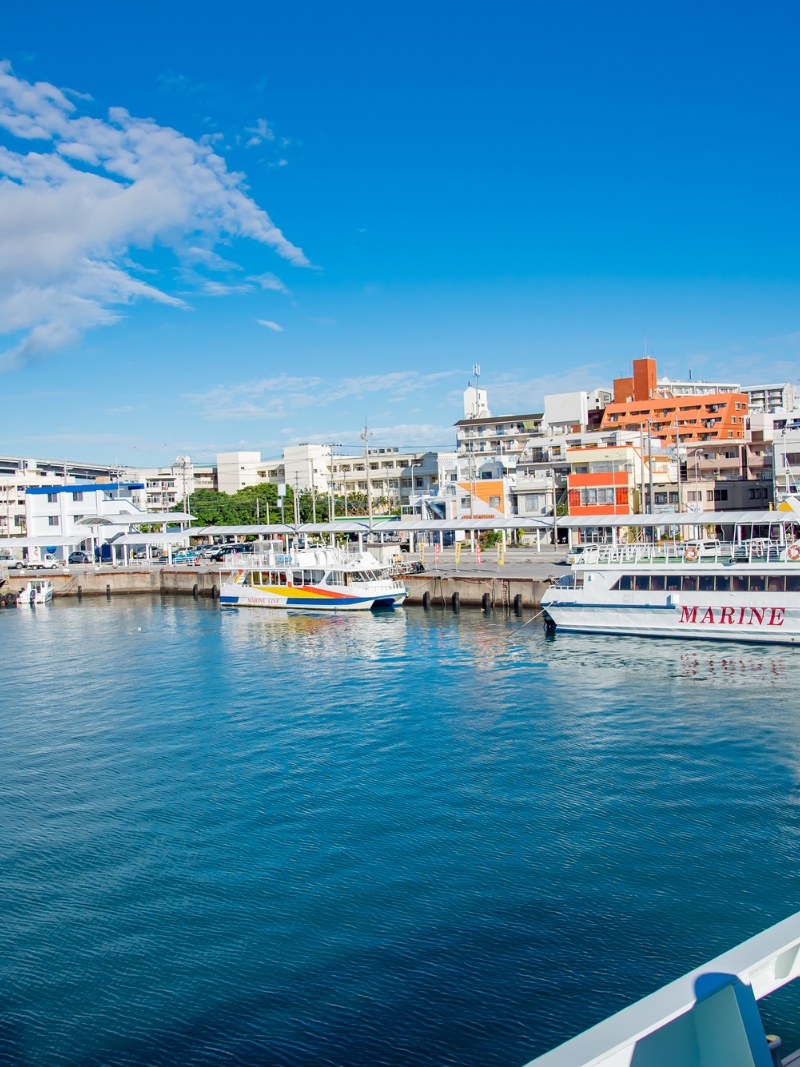
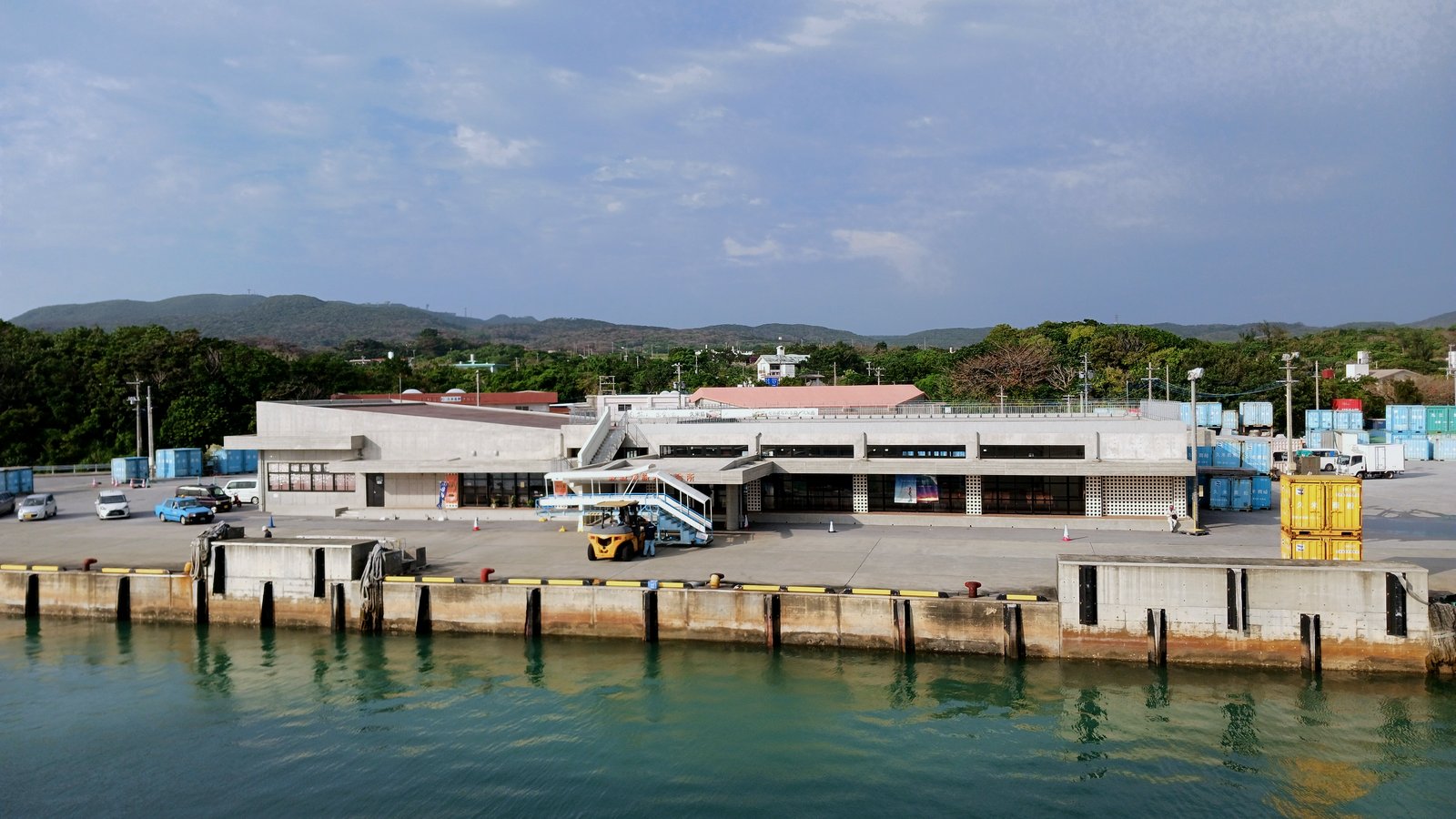
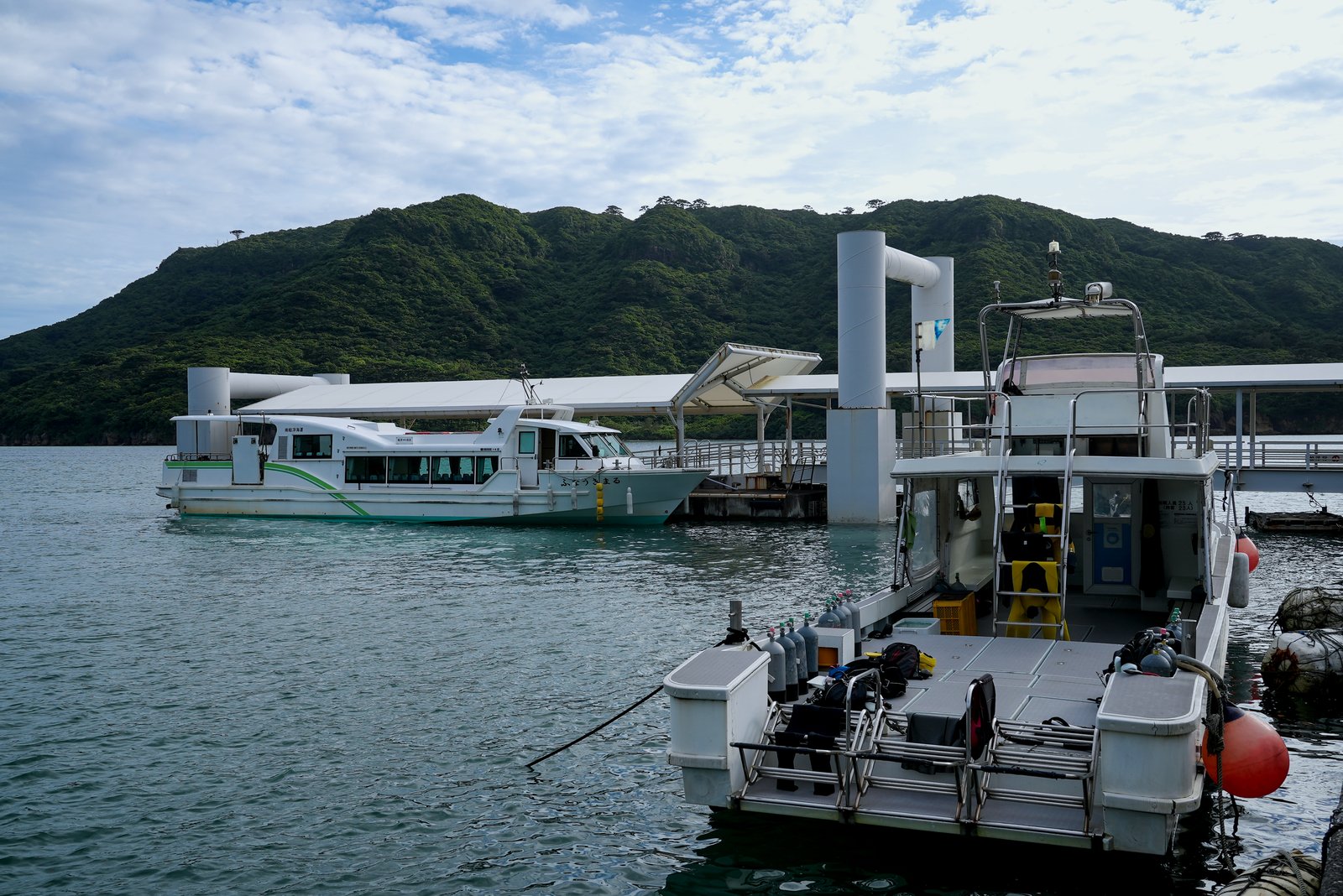
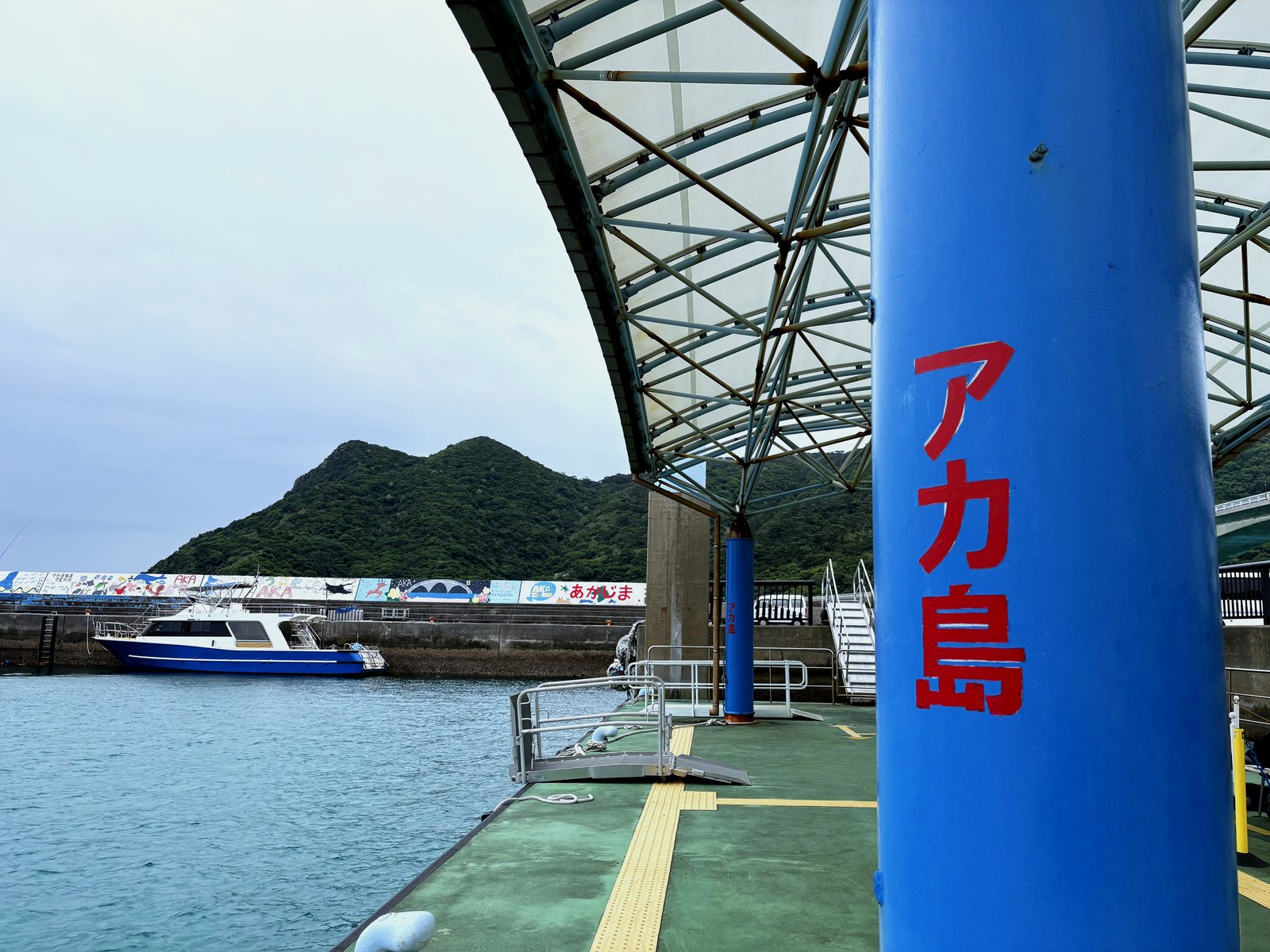
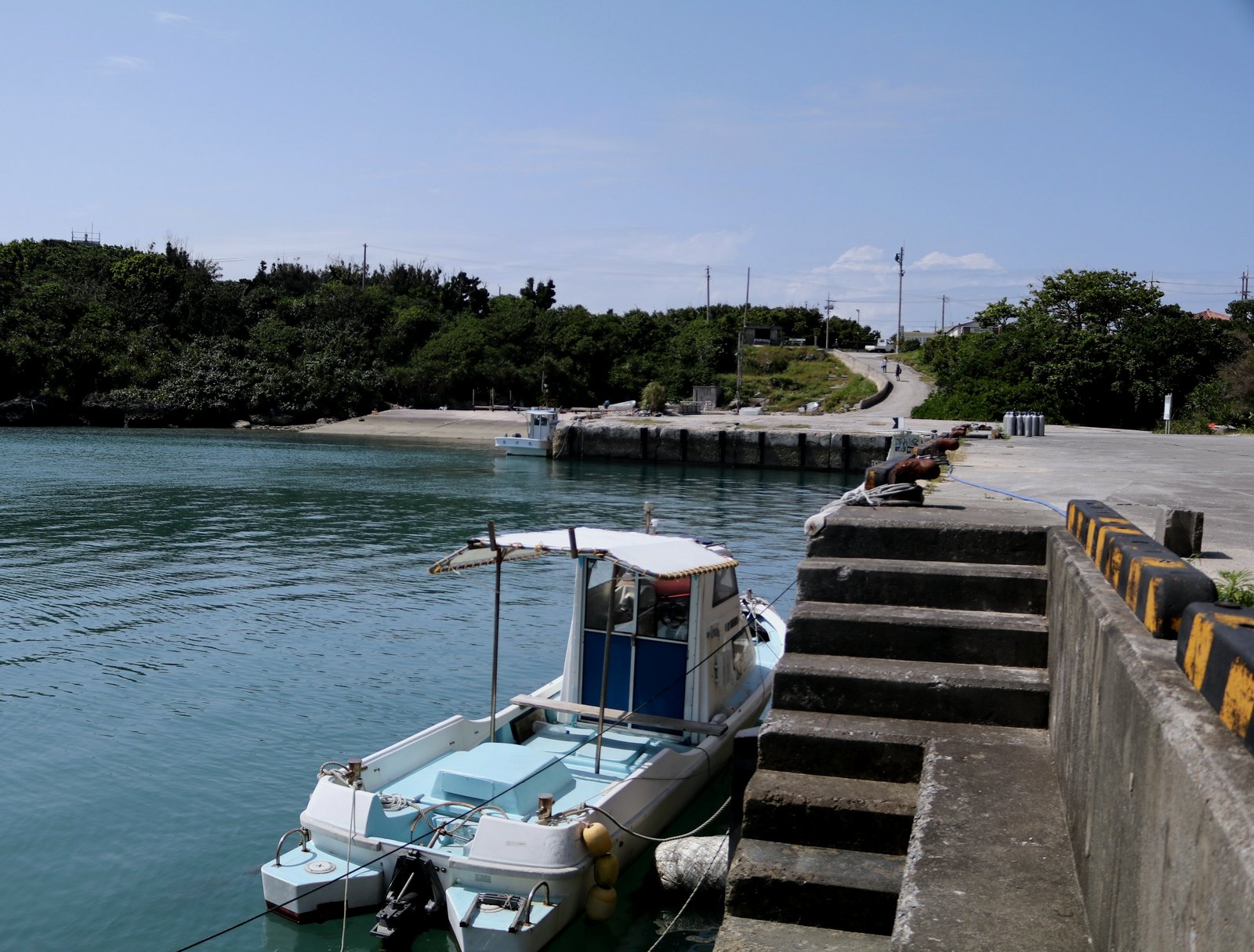
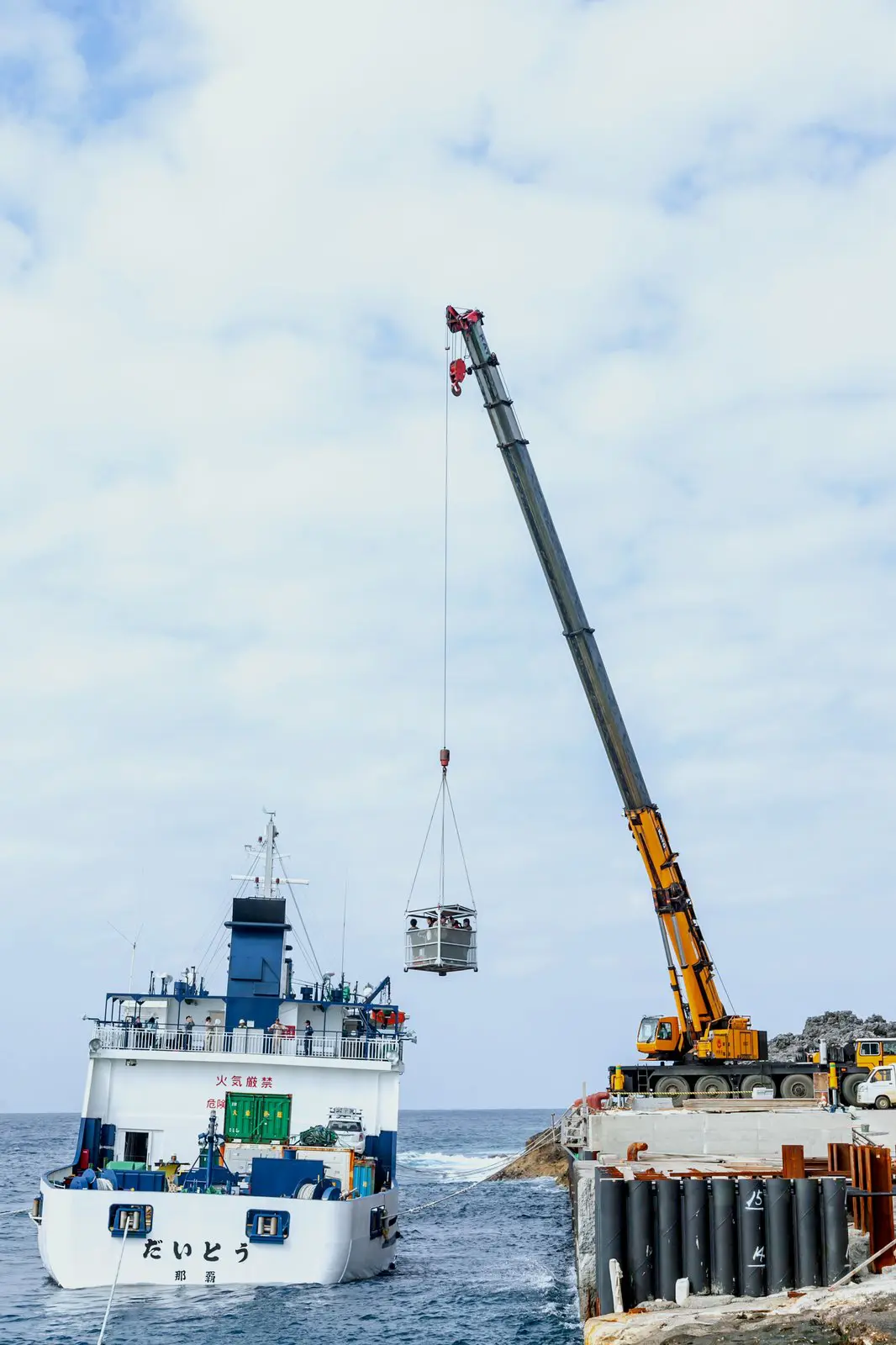
※掲載写真はイメージです
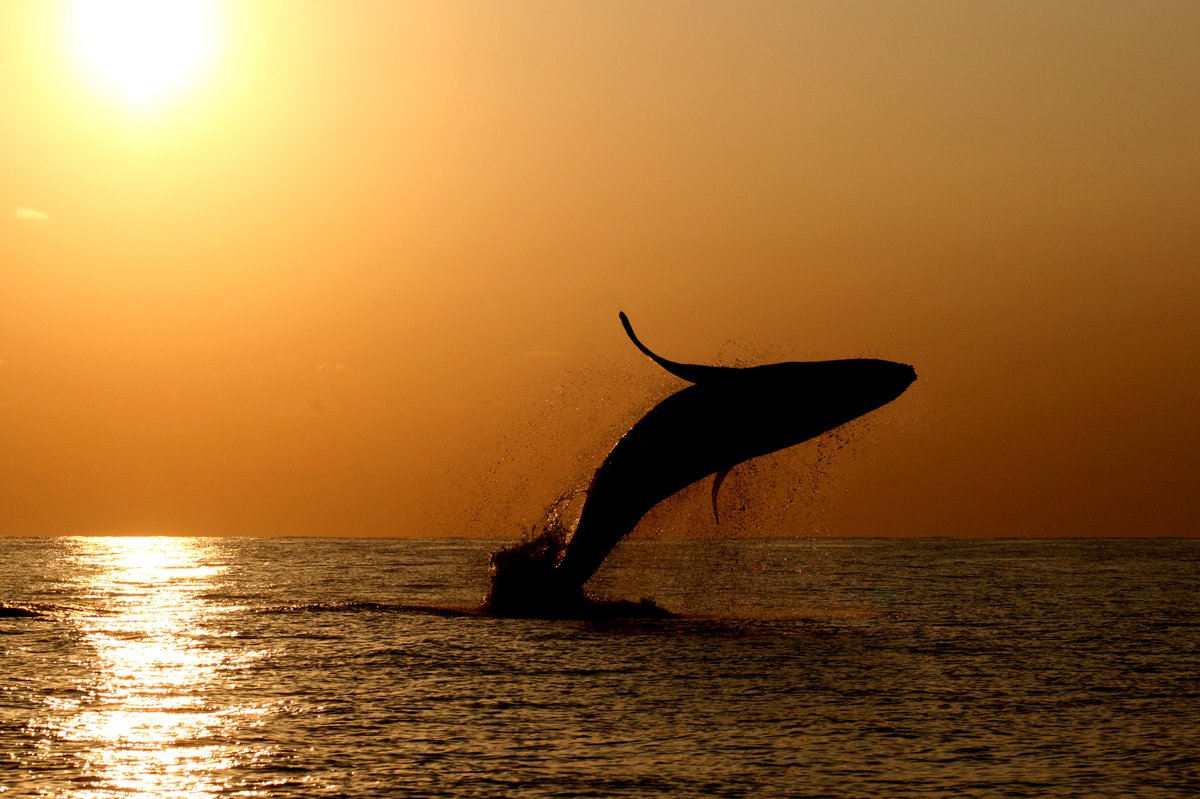
Okinawa’s waters are a breeding ground for humpback whales, particularly between January and March. The KOJ jetfoil route passes through potential whale habitat, making comprehensive safety protocols essential.
Five Safety Measures
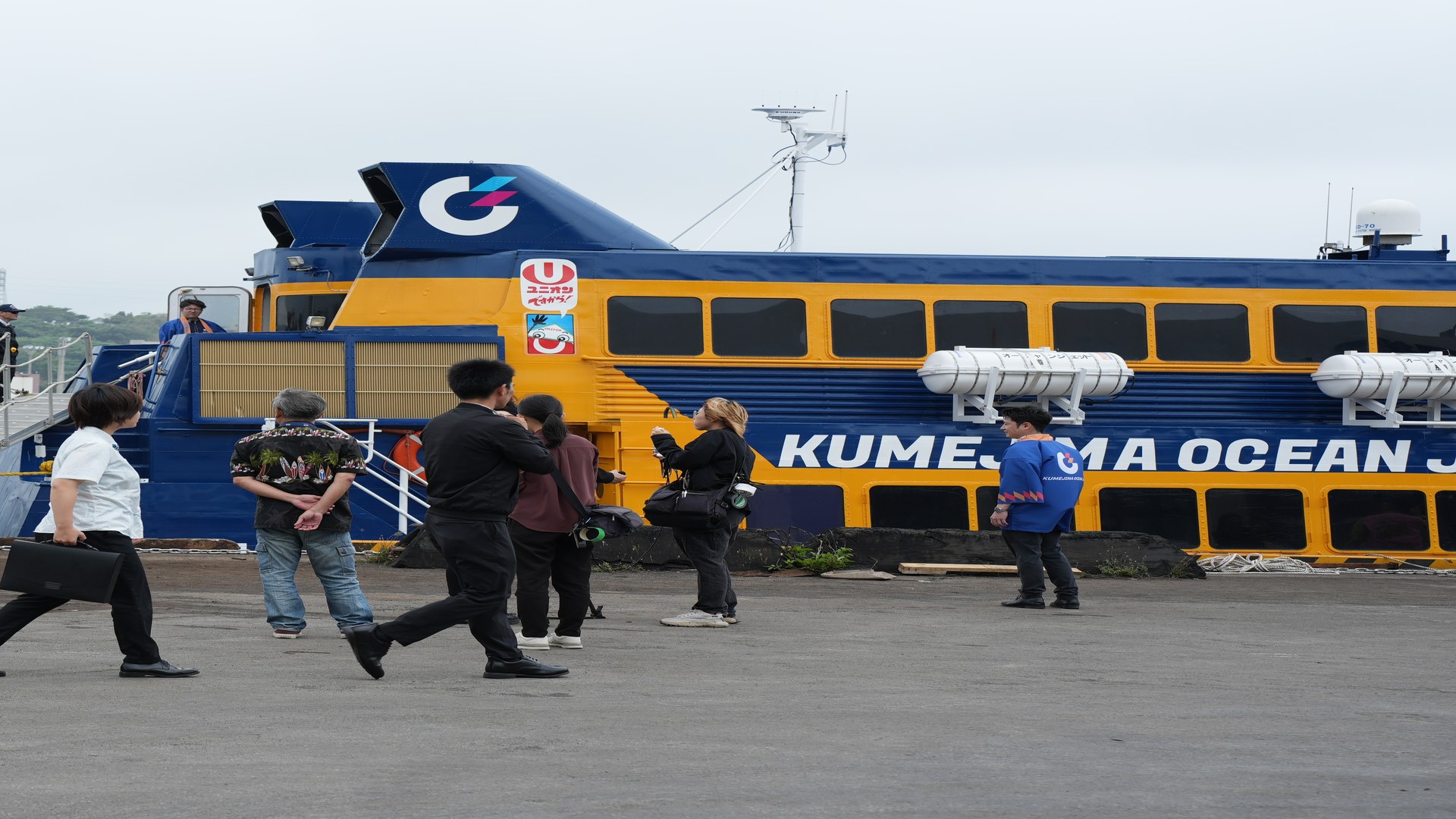
Route modifications: Seasonal adjustments to avoid known whale concentration areas. Dedicated lookout vessels: Scout boats deployed ahead of the jetfoil to detect whale activity. Speed reduction zones: Designated areas where the jetfoil reduces speed during peak whale season. Crew training: Regular training programs on whale detection and avoidance procedures. Data-driven optimization: Ongoing analysis of whale sighting data to continuously refine routes and procedures.
Annual Investment
KOJ commits approximately ¥166 million per year to these safety measures, demonstrating a serious commitment to marine wildlife coexistence (source: Okinawa Times, April 2025).
Kumejima Island and its surrounding waters are part of the migration route for humpback whales during winter months (January through March). While the Kumejima Ocean Jet route between Naha and Kumejima passes through waters where whale sightings are possible, the vessel’s high speed (approximately 80 km/h) means that close encounters with whales are brief.
For dedicated whale watching experiences, specialized tour boats operate from Kumejima’s Kanegusuku Port during the whale season. These tours cost approximately ¥5,000–8,000 per person and last 2–3 hours. The jetfoil captain and crew monitor for marine mammals along the route and adjust course as needed to maintain safe distances, in accordance with whale watching guidelines. Passengers on the Ocean Jet may occasionally spot whale spouts or breaches from the cabin windows during the winter season.