Summary of this article
John Manjiro (Nakahama Manjiro, 1827-1898) was born to a fishing family in the Tosa province of Japan. In 1841, at age 14, he was shipwrecked and stranded on the uninhabited island of Torishima, then rescued by the American whaling ship John Howland. Captain William H. Whitfield took him to Fairhaven, Massachusetts, where Manjiro became the first Japanese person to receive a formal American education. After whaling voyages and a stint in the California Gold Rush, he risked his life to return to Japan in 1851, where he became a key interpreter, educator, and technical advisor during the Bakumatsu period that preceded the Meiji Restoration.
John Manjiro (Nakahama Manjiro, 1827-1898) was a fisherman’s son from the Tosa province of Japan whose accidental shipwreck in 1841 set him on an extraordinary path. Rescued by an American whaling ship, educated in Massachusetts, and returned to a Japan still closed to the outside world, Manjiro became one of the most important bridges between Japan and the United States during the turbulent final years of the Tokugawa shogunate.
This guide from PortAI, an independent maritime and ferry information platform, traces John Manjiro’s life and voyages in full: his drift and rescue, his education in America, his perilous return to Japan, and his contributions to the modernization of his homeland. With the NHK Taiga drama “John Man” scheduled to air in 2028, interest in Manjiro’s remarkable story is growing both in Japan and internationally.
Summary of this article
John Manjiro (Nakahama Manjiro, 1827-1898) was born to a fishing family in the Tosa province of Japan. In 1841, at age 14, he was shipwrecked and stranded on the uninhabited island of Torishima, then rescued by the American whaling ship John Howland. Captain William H. Whitfield took him to Fairhaven, Massachusetts, where Manjiro became the first Japanese person to receive a formal American education. After whaling voyages and a stint in the California Gold Rush, he risked his life to return to Japan in 1851, where he became a key interpreter, educator, and technical advisor during the Bakumatsu period that preceded the Meiji Restoration.
Why John Manjiro’s story matters
John Manjiro spent nearly a decade abroad, received a Western education unavailable to any of his countrymen, and returned to a Japan on the verge of being forced open to the world. He carried knowledge that proved invaluable to his nation during the Bakumatsu period. With the NHK Taiga drama “John Man” scheduled for 2028, interest in his story is growing both in Japan and internationally.
Who was John Manjiro?
John Manjiro, whose Japanese name was Nakahama Manjiro, was born in 1827 in the village of Nakanohama in the Tosa province, present-day Tosashimizu City in Kochi Prefecture. He came from a poor fishing family, and after his father died when Manjiro was still a young boy, he began working as a fisherman to help support his mother and siblings. In a Japan that was strictly closed to foreign contact under the Tokugawa shogunate’s policy of national seclusion, the life of a fishing-village boy like Manjiro would ordinarily have remained confined to his home waters.
That ordinary trajectory was shattered in January 1841, when the fishing boat carrying the 14-year-old Manjiro and four companions was caught in a storm and swept far out into the Pacific Ocean. What followed was one of the most remarkable life stories of nineteenth-century Japan. Manjiro would spend nearly a decade abroad, receive a Western education unavailable to any of his countrymen, and ultimately return to a Japan on the verge of being forced open to the world, carrying knowledge that would prove invaluable to his nation.
The name “John Mung,” later rendered in Japanese as “John Manjiro,” was given to him by the Americans he lived among. It combined the English given name John with a shortened form of Manjiro. The name endures today as the way this historic figure is most commonly known, a small but telling symbol of how his life straddled two worlds that, in his era, almost never met.
John Manjiro’s birthplace
John Manjiro was born in 1827 in the village of Nakanohama in the Tosa province, present-day Tosashimizu City in Kochi Prefecture, Japan. He came from a poor fishing family and began working as a fisherman in his youth after his father’s death. The name “John Mung,” later rendered as “John Manjiro” in Japanese, was given to him by Americans and combines the English name John with a shortened form of Manjiro.
A fishing boy in a closed country
In a Japan strictly closed to foreign contact under the Tokugawa shogunate’s policy of national seclusion, the life of a fishing-village boy like Manjiro would ordinarily have remained confined to his home waters. The shipwreck of January 1841 shattered that trajectory, setting in motion a decade abroad that would make Manjiro the first Japanese person to receive a formal American education.
The 1841 shipwreck and survival on Torishima
In January 1841, Manjiro joined four other fishermen on a boat that set out from Usaura, a fishing port in Tosa. The crew consisted of the helmsman Fudenojo, his younger brother Jusuke, and two others named Goemon and Toraemon, along with the 14-year-old Manjiro. Their small Japanese-style boat, powered by sail and oar, was suited to coastal fishing but had little ability to withstand a sudden change in weather.
A few days after departure, the boat was struck by a violent storm. Unable to row against the wind, the crew could only let the boat drift while trying to avoid capsizing. For five days they were carried southeast across the open Pacific, their food and water soon exhausted. Eventually they reached the uninhabited volcanic island of Torishima, located in the Pacific roughly 580 kilometers south of the Izu Islands.
The five castaways survived on Torishima for approximately 143 days. The island had no permanent source of fresh water, and the men relied on rainwater collected in hollows of rock. Their main source of food was the albatross, a bird that nested on the island in enormous numbers and that, unafraid of humans, could be caught by hand. Through this harsh subsistence, the five men endured month after month, with no way of knowing whether rescue would ever come.
The shipwreck and 143 days on Torishima
In January 1841, the 14-year-old Manjiro and four companions were caught in a storm while fishing off the Tosa coast and drifted five days across the Pacific. They were stranded on the uninhabited volcanic island of Torishima, roughly 580 kilometers south of the Izu Islands, where they survived for about 143 days on rainwater and albatross, a bird that nested on the island in great numbers and could be caught by hand.
Manjiro’s drifting companions
Manjiro was one of five fishermen aboard the boat that set out from Usaura in January 1841. The crew included the helmsman Fudenojo, his younger brother Jusuke, and two others named Goemon and Toraemon. After rescue, four of the five went ashore in Honolulu, while only the 14-year-old Manjiro continued to the United States with Captain Whitfield.
Rescue by the John Howland
In June 1841, an American whaling ship named the John Howland passed near Torishima. The vessel, captained by William H. Whitfield and based in the great whaling port of New Bedford, Massachusetts, was on a long Pacific whaling voyage. Sailors aboard the ship spotted signs of life on the island, and Captain Whitfield ordered a boat lowered to investigate. The five Japanese castaways were found and taken aboard.
Returning the men to Japan was not a realistic option. Under the seclusion policy of the Tokugawa shogunate, a foreign ship approaching the Japanese coast risked being fired upon, and Japanese who had been in contact with foreigners faced suspicion and severe punishment upon return. Captain Whitfield therefore decided to take the castaways to Hawaii, where they could begin new lives. The John Howland reached Honolulu later in 1841, and four of the five men went ashore there.
For the youngest castaway, however, Captain Whitfield made a different and remarkable decision. Recognizing Manjiro’s intelligence, eagerness to learn, and good character, the captain offered to take the 14-year-old boy with him to the United States and give him an education. Manjiro accepted. This act of human kindness by an American whaling captain would set in motion a chain of events that influenced the history of relations between Japan and the United States.
The John Howland and Captain Whitfield
The American whaling ship John Howland, captained by William H. Whitfield and based in New Bedford, Massachusetts, rescued Manjiro and his four companions from Torishima in June 1841. Because Japan’s seclusion policy made returning the men home dangerous, the castaways were taken to Hawaii. Captain Whitfield, recognizing the young Manjiro’s intelligence and eagerness to learn, chose to take him to the United States and give him an education.
Captain Whitfield’s humane decision
Returning the castaways to Japan was not realistic, because the Tokugawa seclusion policy meant a foreign ship near the coast risked being fired upon and returnees faced punishment. Captain Whitfield took the men to Hawaii, and recognizing the young Manjiro’s intelligence and eagerness to learn, chose to bring the 14-year-old to the United States and give him an education, a decision that influenced the history of Japan-United States relations.
Education in Fairhaven, Massachusetts
In 1843, after a long voyage, Manjiro arrived in Fairhaven, Massachusetts, the home town of Captain Whitfield. He was then 16 years old. Whitfield treated Manjiro almost as an adopted son, arranging for him to live nearby and to receive a formal education. For a boy from a Japanese fishing village, who had received almost no schooling in his homeland, entering an American school meant beginning everything from the very start.
Manjiro first attended an elementary school in Fairhaven, where he studied English, basic arithmetic, and general subjects. He then advanced to the Bartlett Academy, a school that taught practical subjects including mathematics, surveying, navigation, and shipbuilding. Manjiro became the first Japanese person to receive a systematic Western education of this kind. His academic performance was excellent, and he is said to have ranked at the top of his class.
The knowledge Manjiro gained in Fairhaven, particularly his command of navigation and his fluency in English, would later make him an invaluable figure in late-Tokugawa Japan. His years in Fairhaven also forged a lifelong bond with the Whitfield family. Manjiro referred to Captain Whitfield as his father throughout his life, and the friendship between the two families would be passed down through generations, eventually leading to a sister-city relationship between Tosashimizu and Fairhaven in 1987.
What Manjiro learned in America
Manjiro arrived in Fairhaven, Massachusetts, in 1843 at age 16, treated almost as an adopted son by Captain Whitfield. He studied English and basic subjects at an elementary school, then mathematics, surveying, navigation, and shipbuilding at the Bartlett Academy. Manjiro became the first Japanese person to receive a systematic Western education, and his command of navigation and English would later make him invaluable in late-Tokugawa Japan.
Fairhaven and the Whitfield family bond
Manjiro’s years in Fairhaven forged a lifelong bond with the Whitfield family. He referred to Captain Whitfield as his father throughout his life, and the friendship between the two families was passed down through generations. In 1987, this enduring bond led to a sister-city relationship between Tosashimizu, Manjiro’s birthplace, and Fairhaven, Captain Whitfield’s home town.
Whaling voyages and the California Gold Rush
After completing his studies at the Bartlett Academy, Manjiro put his training to use at sea. In 1846 he joined the crew of the whaling ship Franklin for a voyage that lasted roughly three years and circled the globe, crossing the Atlantic, Indian, and Pacific oceans. Manjiro served as a harpooner and as a central member of the crew. When the captain fell ill during the voyage, the crew is said to have elected Manjiro to a senior officer’s position, a striking sign of the respect his American shipmates held for him.
Returning to Fairhaven in 1849, Manjiro made a decision shaped by a goal that had been growing in his mind: he resolved to return to Japan. To do so, he needed money to fund the journey and to acquire a boat capable of carrying him to Japanese waters. He therefore joined the California Gold Rush, traveling to the goldfields along the Sacramento River. Over roughly half a year of mining, Manjiro earned about 600 dollars, a substantial sum at the time, which he set aside as the funds for his return.
Manjiro’s purpose in joining the Gold Rush was never simple fortune-seeking. From the beginning, it was a calculated step toward the far more dangerous goal of returning to his homeland. His steady, purposeful approach to securing the means of his return reflected the character that had impressed Captain Whitfield and the crew of the Franklin alike.
Whaling voyages and the Gold Rush
In 1846 Manjiro joined the whaling ship Franklin for a three-year voyage around the world, serving as a harpooner and reportedly being elected to a senior officer’s role when the captain fell ill. In 1849 he joined the California Gold Rush, mining along the Sacramento River for about half a year and earning roughly 600 dollars, which he set aside specifically to fund his perilous return to Japan.
The voyage of the Franklin
From 1846, Manjiro spent roughly three years aboard the whaling ship Franklin on a voyage that circled the globe across the Atlantic, Indian, and Pacific oceans. He served as a harpooner and core crew member, and when the captain fell ill, the crew is said to have elected Manjiro to a senior officer’s position, a striking measure of the respect his American shipmates held for him.
The perilous decision to return to Japan
In 1850, Manjiro committed to the dangerous task of returning to Japan. Under the Tokugawa shogunate’s seclusion policy, a Japanese person returning from abroad risked being treated as an illegal entrant or suspected of being a Christian, and could in the worst case face execution. Manjiro understood these dangers fully, yet several powerful reasons drove his decision.
The first was his longing for his mother. Manjiro had been 14 when he was lost at sea, and by the time he resolved to return he was in his early twenties; for roughly a decade, his mother had not known whether her son was alive or dead. The second reason was a sense of mission. Having seen American education, technology, and society firsthand, Manjiro believed that the knowledge he had gained could be of immense value to his homeland. The third was his clear-eyed reading of the world: with the Western powers expanding across Asia, Manjiro foresaw that Japan would before long be compelled to open itself to the world, and that his knowledge would then be needed.
Manjiro planned his return carefully. He traveled first to Honolulu, where he was reunited with two of his fellow castaways who chose to return to Japan with him. In Hawaii he purchased a small whaling boat, the Adventurer, so that the party could land independently rather than approach Japan aboard a foreign ship. Boarding a merchant vessel bound for Shanghai, the group reached the waters near the Ryukyu Kingdom, present-day Okinawa. In February 1851, Manjiro and his companions used the Adventurer to land at Mabuni on the southern shore of the Ryukyu main island. After roughly ten years away, Manjiro had set foot on Japanese soil again, though a long period of official interrogation in Ryukyu, Satsuma, and Nagasaki still lay ahead before he could finally reach his home in Tosa and reunite with his mother.
Why Manjiro risked his life to return
Returning to Japan was dangerous because the Tokugawa seclusion policy meant returnees could be treated as illegal entrants and face severe punishment. Manjiro returned anyway for three reasons: his longing for the mother who had not known whether he was alive for a decade; his sense of mission to bring Western knowledge to Japan; and his foresight that Japan would soon be forced to open and would need his knowledge. He landed at Mabuni in Ryukyu, present-day Okinawa, in February 1851 after about ten years abroad.
Manjiro’s route home through Ryukyu
Manjiro planned his return carefully. He traveled to Honolulu, reunited with two fellow castaways, and purchased a small whaling boat named the Adventurer so the party could land independently rather than aboard a foreign ship. Boarding a merchant vessel bound for Shanghai, they reached the waters near the Ryukyu Kingdom and landed at Mabuni on the southern Ryukyu main island in February 1851.
Manjiro’s role in Bakumatsu Japan
The knowledge Manjiro brought back made him an exceptionally valuable figure in late-Tokugawa Japan. After his return and the lengthy interrogations that followed, he was taken into the service of the Tosa domain and later the shogunate itself. He worked as an interpreter, a translator, and a teacher of English and navigation, fields in which firsthand knowledge of America was almost nonexistent in Japan.
When Commodore Matthew Perry’s American fleet arrived in 1853 to press Japan to open its ports, the shogunate needed reliable information about the United States, and Manjiro’s knowledge was sought. In 1860, when Japan sent its first official mission to the United States, Manjiro sailed aboard the Kanrin Maru as an interpreter and technical advisor, contributing to the success of the first Pacific crossing by a Japanese-crewed vessel of the modern era.
Manjiro also played a pioneering role in English-language education in Japan. He authored a practical English conversation primer that was used by Japanese learners in the late Tokugawa and early Meiji periods. The knowledge he transmitted and the students he taught helped prepare the generation that would carry out the modernization of Meiji Japan. From a shipwrecked fishing boy, Manjiro had become one of the figures who helped open Japan’s window onto the modern world.
Manjiro’s contributions to Japan
After returning, Manjiro served the Tosa domain and the shogunate as an interpreter, translator, and teacher of English and navigation. His knowledge of America was sought when Commodore Perry’s fleet arrived in 1853. In 1860 he sailed aboard the Kanrin Maru as interpreter and technical advisor on Japan’s first official mission to the United States, and he authored an English conversation primer used by Japanese learners during the late Tokugawa and early Meiji periods.
Manjiro and the opening of Japan
John Manjiro was a bridge between Japan and the United States before the two nations had formal diplomatic relations. His firsthand knowledge of America shaped Japan’s response to Commodore Perry’s arrival in 1853, and his role aboard the Kanrin Maru in 1860 supported the first official Japanese mission to the United States. From a shipwrecked fishing boy, Manjiro became a figure who helped open Japan’s window onto the modern world.
John Manjiro related sites today
Today, the places connected with John Manjiro’s life can be visited across both Japan and the United States. The center of any pilgrimage is Tosashimizu City in Kochi Prefecture, Manjiro’s birthplace. The John Manjiro Museum there presents his entire life through documents and exhibits, and a reconstructed version of his childhood home stands in the Nakanohama district. At Cape Ashizuri, the southernmost point of Shikoku, a statue of John Manjiro gazes out across the Pacific that shaped his fate.
In the United States, Fairhaven, Massachusetts, is home to the Whitfield-Manjiro Friendship House, which preserves the history of the bond between the Whitfield family and Manjiro. Since 1987, Tosashimizu and Fairhaven have been sister cities, and exchanges between the two communities continue today. Other related sites include New Bedford, the home port of the John Howland, and Honolulu, where Manjiro’s fellow castaways went ashore.
For travelers interested in the maritime dimensions of Manjiro’s story, PortAI provides detailed guides to the ports, islands, and ferry routes connected with his life. These include the port of Tosashimizu, the Ogasawara Islands near his drifting site of Torishima, and the ferry routes that reach these remote destinations today. Manjiro’s story is not only a historical narrative but also a living invitation to travel.
John Manjiro sites in Japan and the United States
The center of John Manjiro pilgrimage is Tosashimizu City in Kochi Prefecture, home to the John Manjiro Museum, a reconstruction of his childhood home, and a statue of Manjiro at Cape Ashizuri. In the United States, Fairhaven, Massachusetts, has the Whitfield-Manjiro Friendship House, and Tosashimizu and Fairhaven have been sister cities since 1987. Other sites include New Bedford, home port of the John Howland, and Honolulu.
Best time to visit Manjiro-related sites
For travelers planning to follow John Manjiro’s footsteps, the period before the 2028 NHK Taiga drama broadcast, through 2027, is likely to offer a more relaxed experience. The broadcast year itself may bring crowding and difficulty securing accommodation in the small communities connected with Manjiro’s story, such as Tosashimizu City and the Ogasawara Islands.
The 2028 NHK Taiga drama “John Man”
In 2028, NHK will broadcast a Taiga drama titled “John Man,” dramatizing the life of John Manjiro. The Taiga drama is NHK’s prestigious year-long historical drama series, and the selection of Manjiro as its subject reflects the enduring power of his story. For international audiences, the drama offers a window into a chapter of Japanese history in which the closed country of the Tokugawa era began its encounter with the wider world.
The broadcast is expected to renew interest in the places connected with Manjiro’s life. In Japan, past Taiga dramas have repeatedly drawn increased numbers of visitors to the regions they portray. Tosashimizu City, the Ogasawara Islands, and the American town of Fairhaven are all likely to attract heightened attention as the broadcast approaches.
For visitors planning to follow Manjiro’s footsteps, the period before the broadcast, through 2027, is likely to offer a more relaxed experience, as the broadcast year itself may bring crowding and difficulty securing accommodation in the small communities connected with his story. PortAI will continue to provide accurate and practical information for those who wish to explore the world of John Manjiro.
John Manjiro’s legacy
John Manjiro’s legacy endures in education, international exchange, and the sister-city bond between Tosashimizu and Fairhaven. His descendants continue to this day, and his story is taught in Japanese schools as an example of overcoming adversity through learning. The story of a fishing boy who, through human kindness and determination, became a bridge between two nations remains meaningful in the modern world.
Frequently asked questions
Who was John Manjiro?
John Manjiro, whose Japanese name was Nakahama Manjiro (1827-1898), was a Japanese fisherman’s son who was shipwrecked in 1841, rescued by an American whaling ship, and educated in the United States. He returned to Japan in 1851 and became an important interpreter, educator, and advisor during the final years of the Tokugawa shogunate.
Where was John Manjiro born?
He was born in 1827 in the village of Nakanohama in the Tosa province, present-day Tosashimizu City in Kochi Prefecture, Japan. He came from a poor fishing family.
How was John Manjiro shipwrecked?
In January 1841, at age 14, Manjiro and four companions were fishing off the Tosa coast when a storm swept their boat into the open Pacific. After drifting five days, they were stranded on the uninhabited island of Torishima, where they survived for about 143 days.
What ship rescued John Manjiro?
He was rescued in June 1841 by the American whaling ship John Howland, captained by William H. Whitfield and based in New Bedford, Massachusetts.
What did John Manjiro study in America?
In Fairhaven, Massachusetts, Manjiro studied English and basic subjects at an elementary school, then mathematics, surveying, navigation, and shipbuilding at the Bartlett Academy. He was the first Japanese person to receive a systematic Western education.
Why did John Manjiro return to Japan despite the danger?
He returned out of longing for his mother, a sense of mission to bring Western knowledge to Japan, and his foresight that Japan would soon be forced to open and would need his knowledge. He landed in Ryukyu, present-day Okinawa, in 1851.
What did John Manjiro do after returning to Japan?
He served the Tosa domain and the shogunate as an interpreter, translator, and teacher of English and navigation. He contributed to Japan’s response to Commodore Perry, sailed on the Kanrin Maru during Japan’s first official mission to the United States in 1860, and authored an English conversation primer.
What is the 2028 NHK Taiga drama “John Man”?
“John Man” is an NHK Taiga drama scheduled to broadcast in 2028, dramatizing the life of John Manjiro. The Taiga drama is NHK’s prestigious year-long historical drama series.
Where can visitors learn about John Manjiro today?
The John Manjiro Museum in Tosashimizu City, Kochi Prefecture, presents his entire life. In the United States, the Whitfield-Manjiro Friendship House in Fairhaven, Massachusetts, preserves the history of his bond with the Whitfield family. Tosashimizu and Fairhaven have been sister cities since 1987.
Conclusion
The life of John Manjiro is a story of how an accidental shipwreck, met with human kindness and a determination to learn, transformed a fishing-village boy into a figure who helped shape the encounter between Japan and the modern world. From the drift to Torishima, to the years of education in Fairhaven, to the perilous return to a closed Japan, every chapter of his life prepared the ground for the modernization that would follow.
As an independent maritime and ferry information platform, PortAI presents the story of John Manjiro alongside detailed guides to the ports, islands, and sea routes connected with his life. With the NHK Taiga drama “John Man” approaching in 2028, we hope this guide helps readers around the world appreciate the remarkable voyage of a man who opened a window between two nations.
About the images in this article
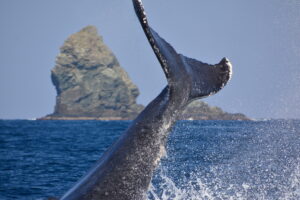
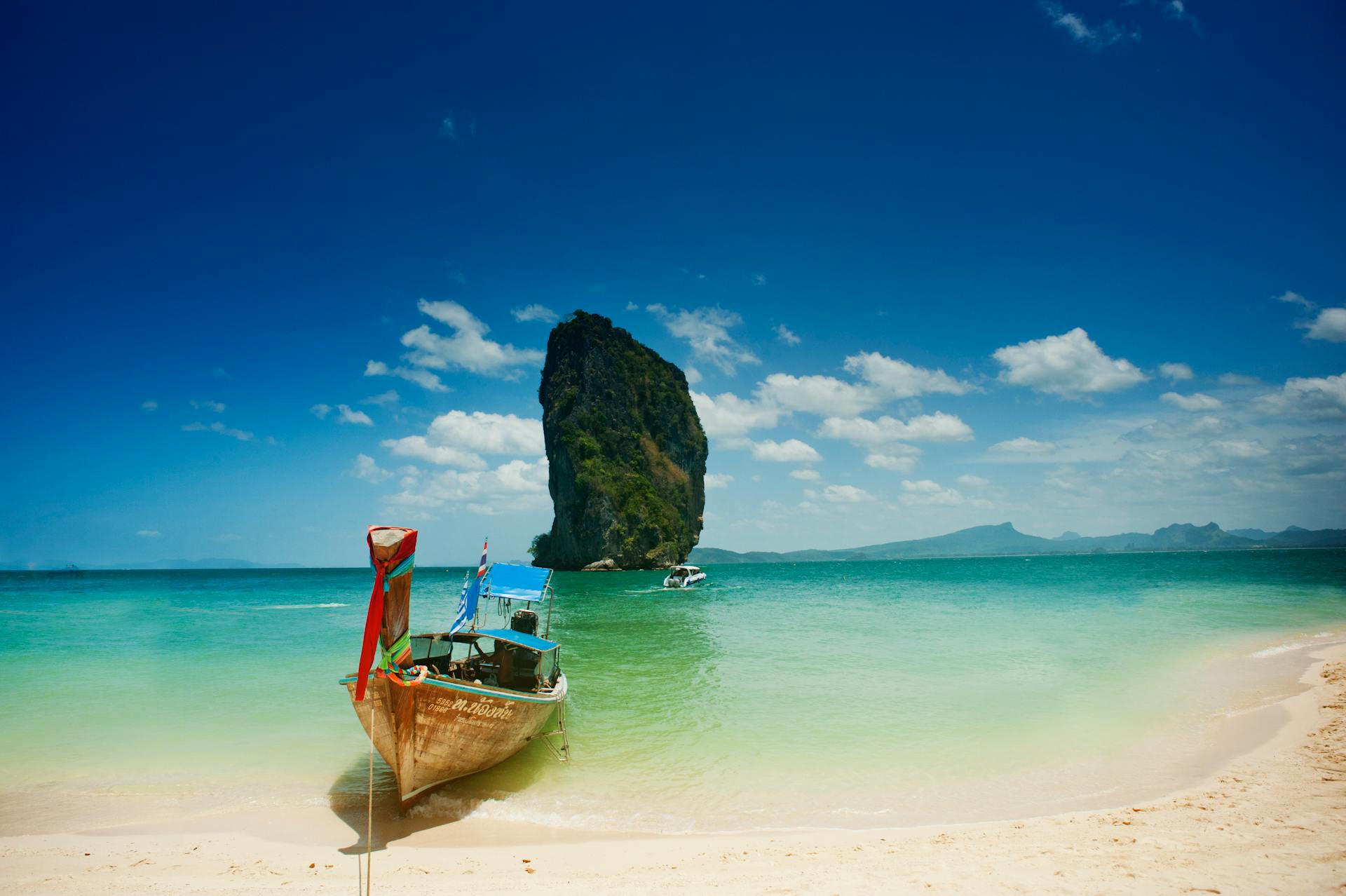
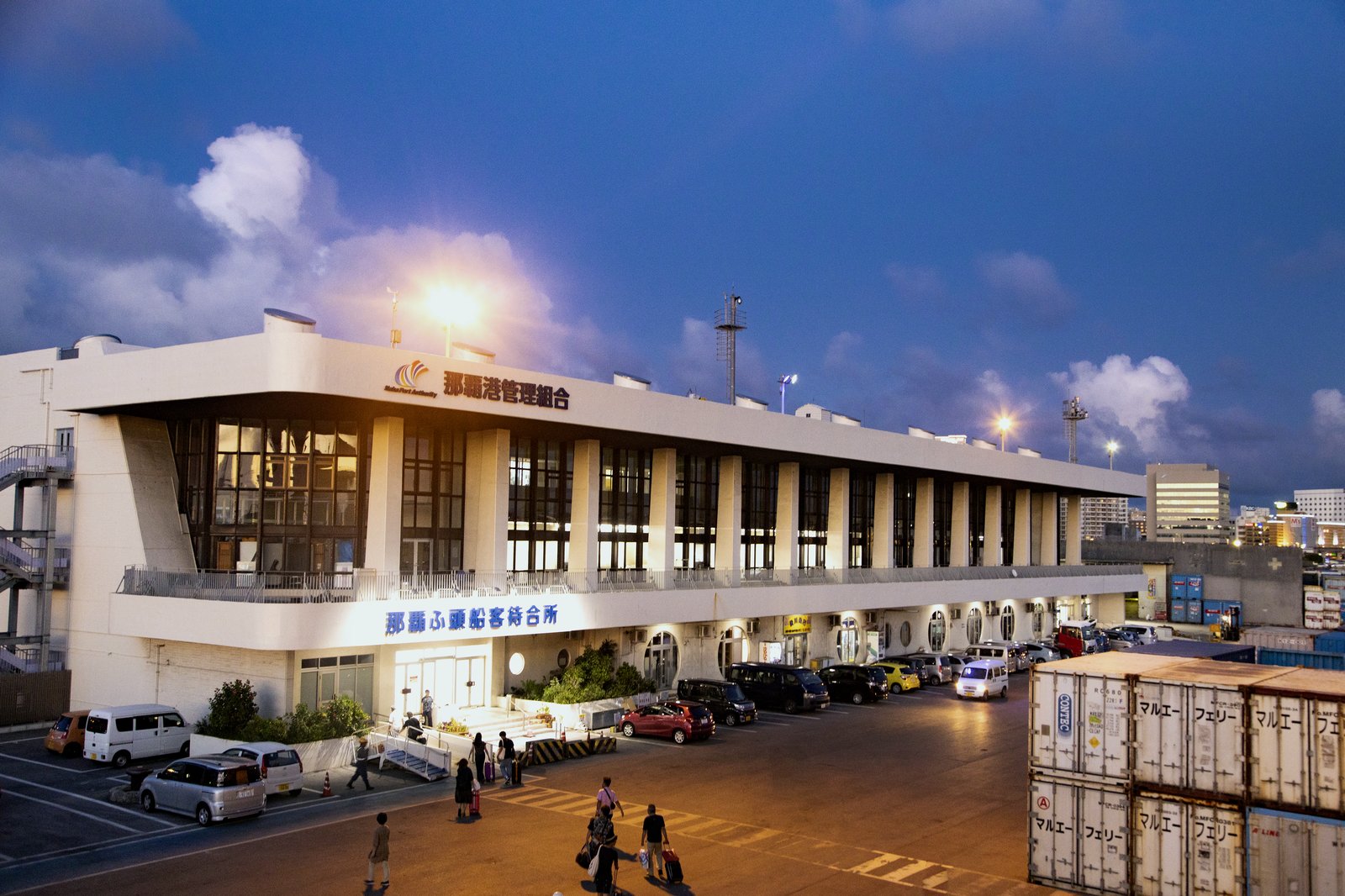
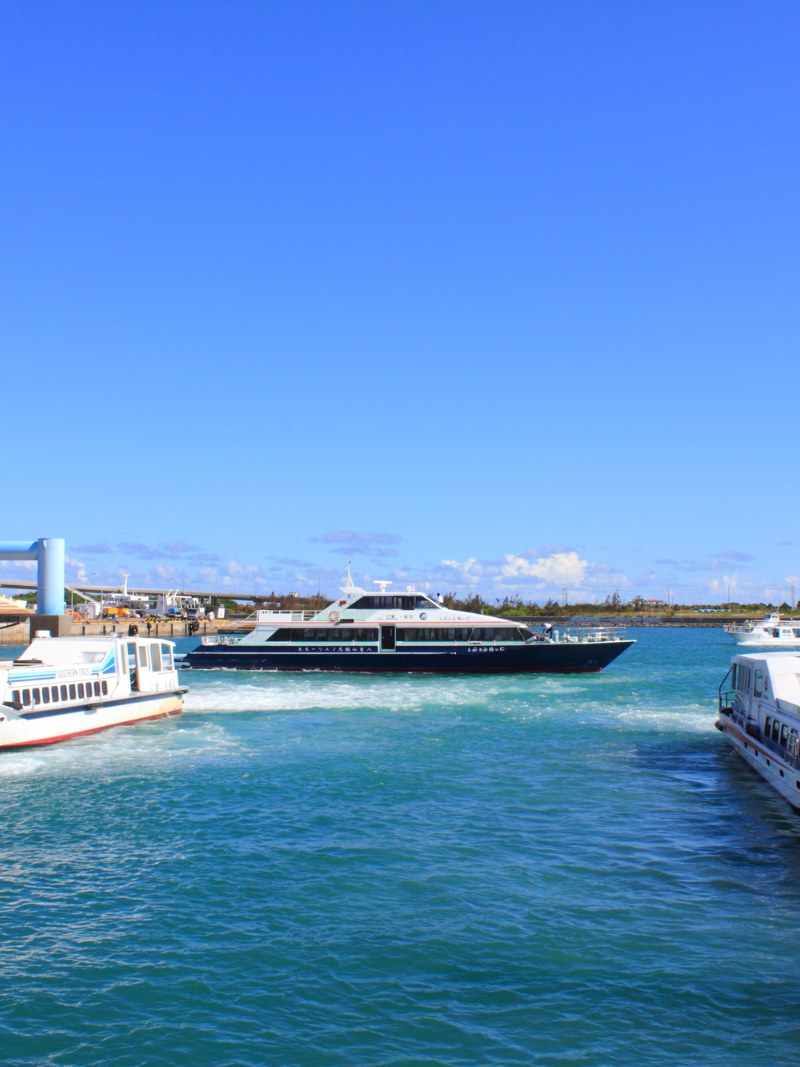
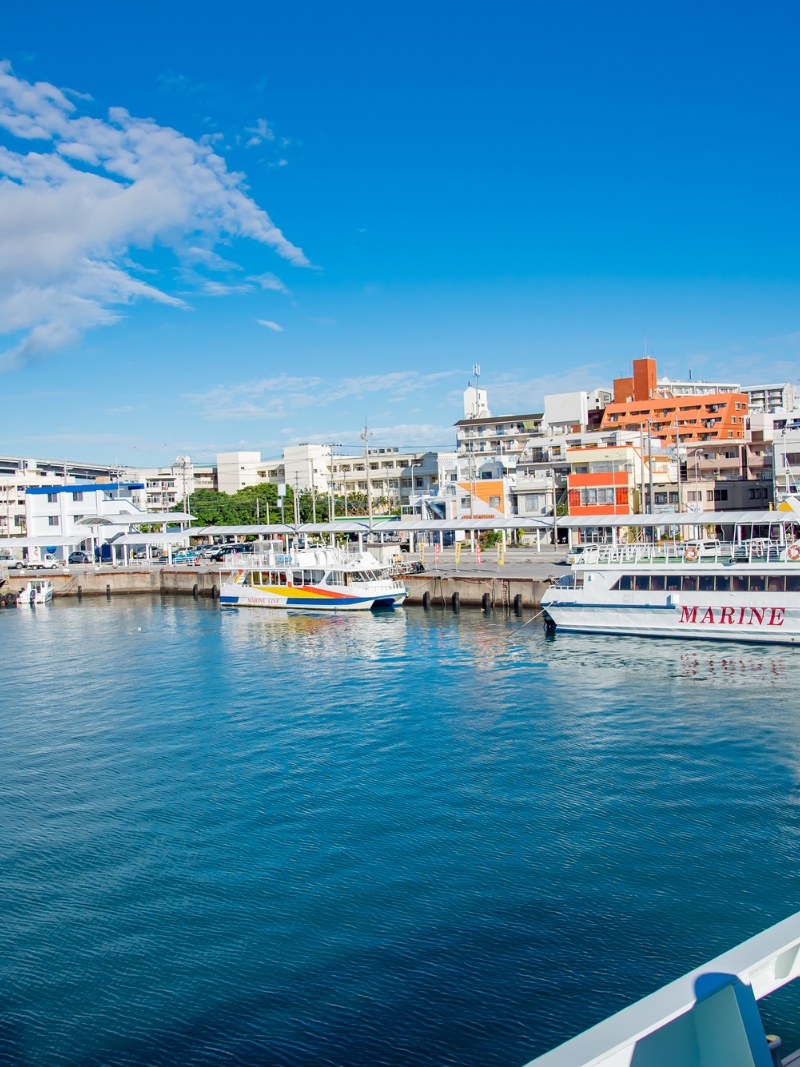
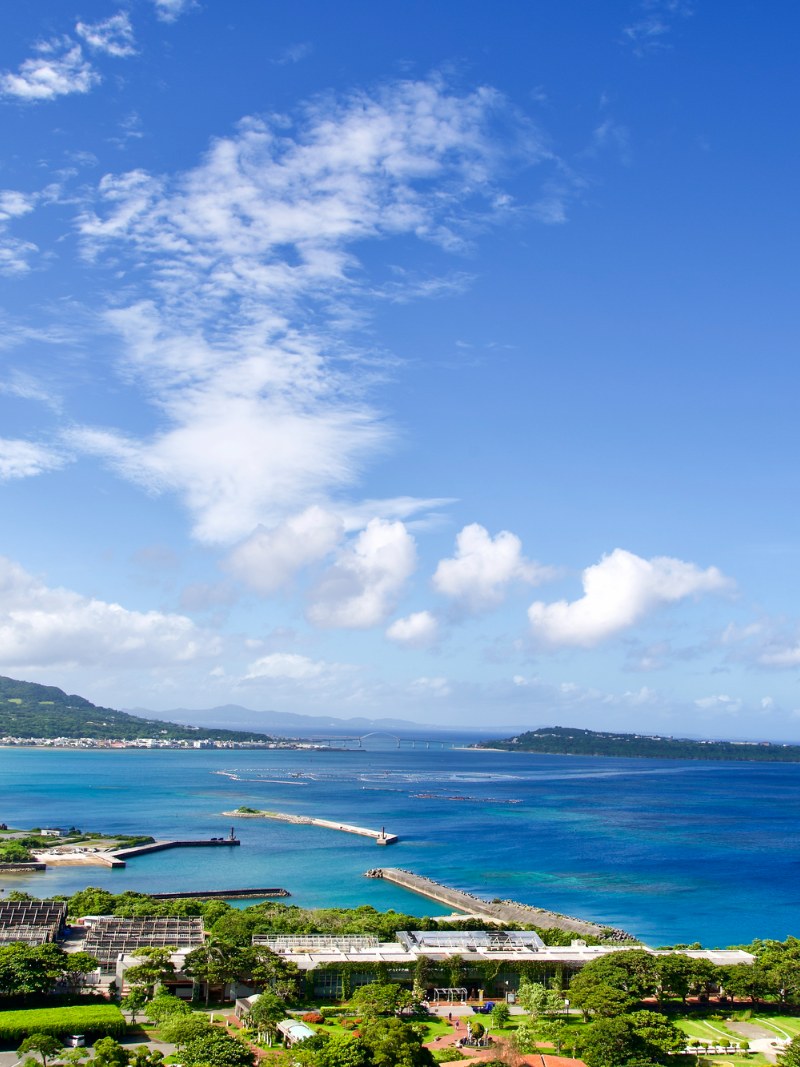
Unless otherwise noted, the images in this article are representative images and may differ from the actual locations, vessels, or persons described.
About information on the Taiga drama “John Man”
Information about the NHK Taiga drama “John Man” is based on announcements published by NHK as of May 2026. Please refer to official NHK sources for the latest broadcast schedule. Historical accounts of John Manjiro’s life are based on generally accepted sources and research, though some details may vary between accounts.
Related Guides: Kumejima Ocean Jet (EN) | Tosashimizu Port (EN) | John Manjiro Drift Route (JA) | 10 Pilgrimage Sites (JA) | 久米島オーシャンジェット
※Images used are for illustrative purposes only.
See also: Higa Fishing Port Guide
See also: Hakuai Fishing Port Guide
See also: Tonaki Fishing Port Guide
See also: Nakazato Fishing Port Guide
See also: Okinawa Ferry Discount Coupon Guide