Complete guide to Okinawa ferry cancellations by route. Hateruma route has the highest cancellation rate in Yaeyama. Wave height above 2-3m and wind speed above 15-20m/s typically trigger cancellations. High-speed boats cancel before ferries. Kerama routes: Queen Zamami cancels before Ferry Zamami (guideline: wave height 2.5m, wind 15m/s). Aguni route has very high winter cancellation. Always keep 1-2 buffer days for remote islands. Check Anei Kankou official site and X for real-time updates.
Typhoons and winter northerly winds frequently cancel Okinawa’s ferry services. Yet finding route-by-route cancellation criteria is nearly impossible — until now. This guide covers all 16 passenger routes with cancellation risk ratings, decision timelines, and practical backup plans.
General Cancellation Criteria
Wave height: 2.0-3.0m triggers possible cancellation. High-speed boats at 2.0m, larger ferries at 3.0m.
Wind speed: 15-20m/s and above. Crosswinds are especially dangerous.
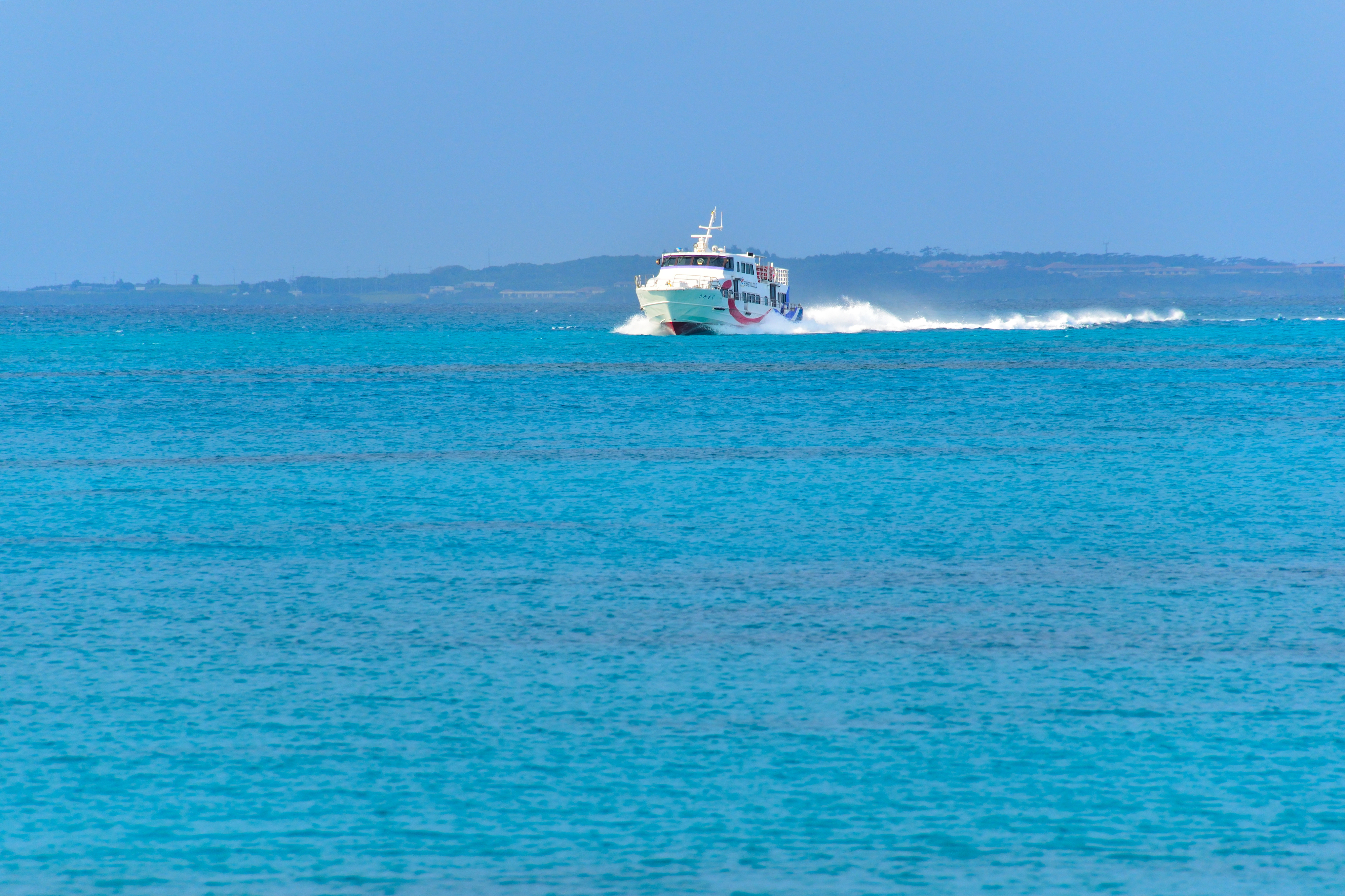
Key rule: High-speed boats cancel BEFORE ferries. Same route, same day — the fast boat may be cancelled while the ferry operates normally.
Route-by-Route Cancellation Risk
Yaeyama Islands (from Ishigaki)
Taketomi: Risk LOW. Sheltered waters, 10 min. Rarely cancels except direct typhoon hit.
Kohama / Kuroshima: Risk LOW-MEDIUM. 25-30 min, generally stable.
Iriomote (Ohara): Risk MEDIUM. More exposed than Taketomi but manageable.
Iriomote (Uehara): Risk HIGH. Crosses open Hatoma Strait. Winter cancellation rate can exceed 50% some months. Free shuttle bus from Ohara as backup.
Hatoma: Risk HIGH. Same waters as Uehara route. No alternative.
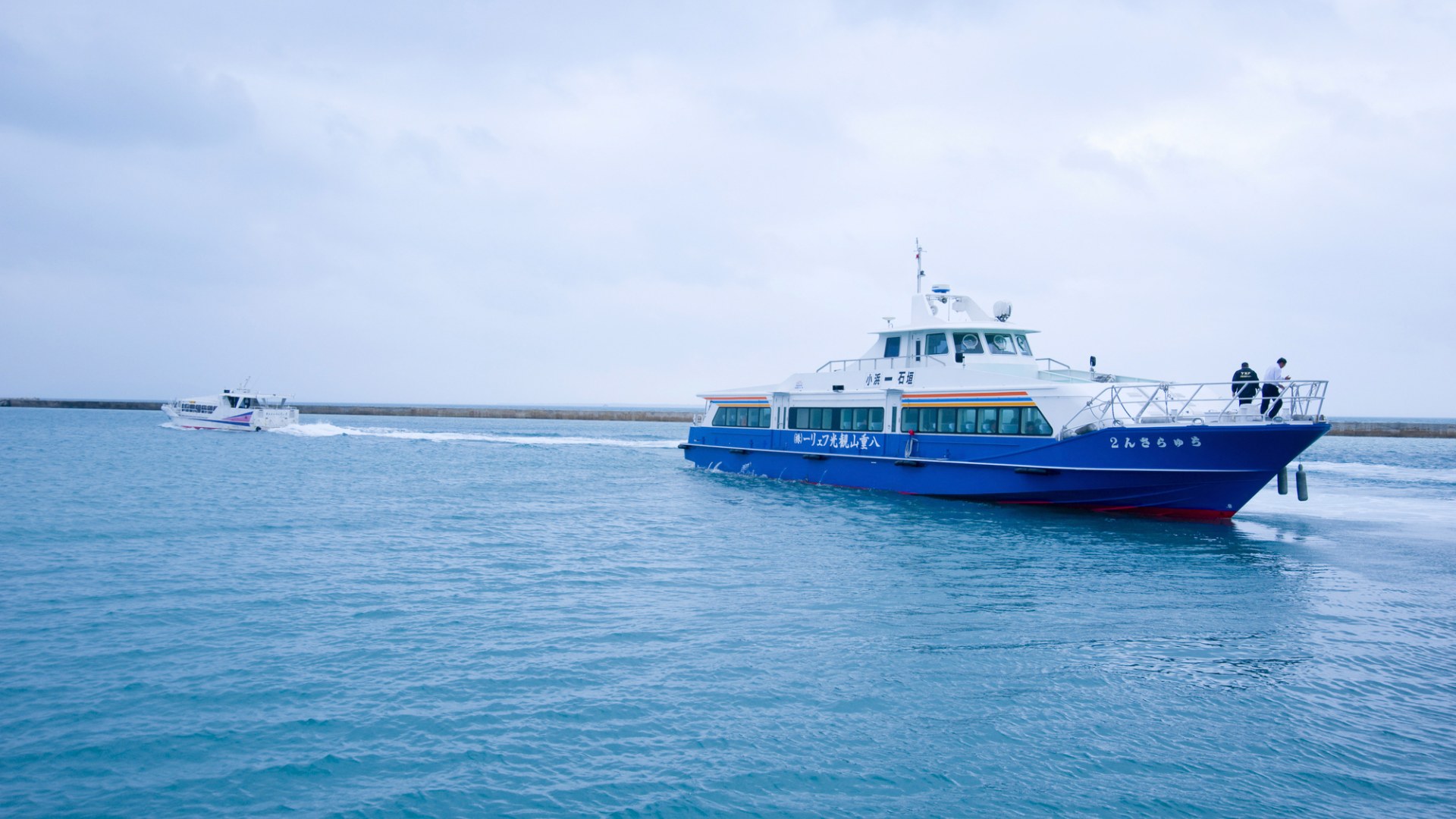
Hateruma: Risk HIGHEST. Open ocean, 60-80 min. Multiple consecutive cancellation days common in winter. Always keep 1-2 buffer days. Ferry Hateruma 2 (Tue/Thu/Sat only) is slightly more reliable than high-speed boats.
Kerama Islands (from Naha Tomari Port)
Zamami / Aka: Zamami Village publishes guidelines — wave 2.5m / wind 15m/s. Queen Zamami (fast) cancels before Ferry Zamami.
Tokashiki: Marine Liner (fast) cancels before Ferry Tokashiki. Winter northerlies increase cancellations.
Other Routes
Aguni: Risk VERY HIGH. 60km open sea, 1 daily round trip. Winter cancellations extremely frequent.
Kumejima: Risk MEDIUM. Large ferry is relatively stable but cancels 2-3 days before typhoons.
Daito Islands: Risk HIGH. Monthly irregular schedule, 13-15hr Pacific crossing.
Ie Island: Risk LOW. Short 30-min route, very stable.
What to Do If Your Ferry Is Cancelled

1. Full refund is standard — visit the ticket counter.
2. Check if ferry is running when fast boat is cancelled.
3. Know your backup routes (Uehara cancelled → take Ohara + free bus).
4. Use the Windy app to check wave/wind forecasts days ahead.
5. Travel insurance can cover hotel extensions and flight changes.
- Q. When is the safest time to visit Okinawa’s islands?
April to June offers the most stable sea conditions with fewer typhoons and calmer winter winds. July-October is typhoon season; November-March brings strong northerlies.
- Q. How do I check cancellation status?
Check each operator’s website and X (Twitter). Anei Kankou (@aneikankou) posts Yaeyama updates by 6-7 AM. Zamami Village updates their site by 8 AM.
KUMEJIMA OCEAN JET
Naha ⇔ Kumejima in just 82 min
Launching May 1, 2026 | Jetfoil “Tsumugi”
Book Now →Operated by Kumejima Ocean Jet Co., Ltd.